
C20 · Wood Processing
Stainless Steel Plates for the Wood Processing and Wood, Bamboo, Rattan, Palm, and Grass Products Industry: Selection of 304/316L and List of 3 Parts
In Our Industry, We Have Organized Three Stainless Steel Parts: Commonly Used 304 / 316L / 420, Thickness from 1.5–10 mm.
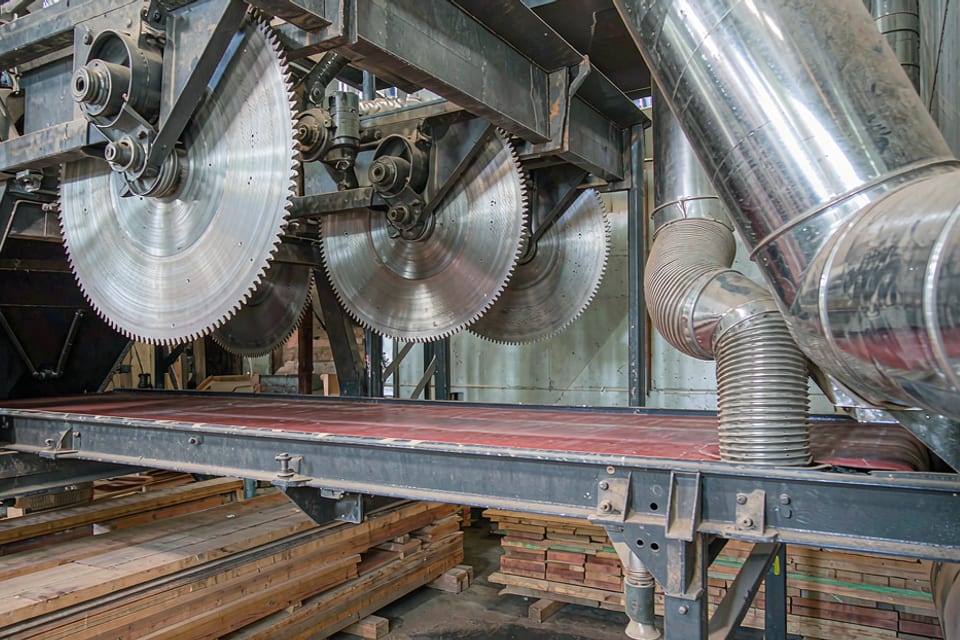
Three Parts and Material List
| Part / Component | Recommended Grade | Size / Thickness | Surface | Main Failure Modes | Reference Standards |
|---|---|---|---|---|---|
| Wood Pellet Press Template/Pad | 304/316L | 2–6mm | Mirror / 2B | High Temperature 180–220℃ + Wood Residue + Adhesive + Wear | GB/T 3280; LY/T Plywood Machinery Standard |
| Wood Drying Kiln Interior Wall/Wall Bracket/Fan Conduit | 304 | 1.5–4mm | 2B | High Humidity and High Temperature + Volatile Organic Acids from Wood | GB/T 3280 |
| Woodworking Tools/Blades Base | 420/440 | 2–10mm | Quenched + Polished | High Hardness Cutting Wear + Resin Adhesion | GB/T 1220 |
Here is the Specification.Standard ConfigurationFor the same part, different media, temperatures, and welding methods may require 304 (2), 316L (1), or 2205 (1) —— It's easier to specify usage conditions than to directly name the grades.
Key Points in Material Selection
- The most common grades used in this industry are 304 (2), 316L (1), and 420 (1) —— The numbers in parentheses indicate the number of parts involved, which can serve as a starting point for quoting and material preparation.
- High-temperature section also accumulates creep and oxidation. Consider 310S / heat-resistant castings (2/3 hits).
- Consider hardness for wear parts (edges, liners, conveyors), not just corrosion resistance (2/3 hits).
- Thickness range: 1.5–10 mm. Thin plates are formed pieces (consider bending rebound and deep drawing cracking). Thick plates are welded structures (consider heat input and sensitization).
Common issues
Which stainless steel is used most in wood processing and woodworking, bamboo, rattan, cane, and reed industries?
Based on total records of these three parts, 304 appears the most frequently (2 hits), followed by 316L (1 hit) and 420 (1 hit). Specific to a part still depends on the medium and temperature, for example, stainless steel countertops that come into contact with salt water should switch from 304 to 316L.
Which parts are most prone to problems?
Based on failure descriptions, typical is "laminated wood press mold/template" at high temperatures (180–220℃) + sawdust + adhesive + wear. Recommended grade: 304/316L, size 2–6mm. For this condition, it's recommended to specify medium concentration, temperature, and cleaning method in the design phase.
What thickness is generally chosen?
The listed thickness range is 1.5–10 mm. Thin plates are formed pieces (consider bending rebound and deep drawing cracking), thick plates are welded structures (consider heat input and sensitization). Different manufacturers may choose different values for the same part; review your drawings or conditions to confirm.
Related materials and adjacent industries
Applications3