
C15 · Beverage & Brewing
Stainless Steel Plates for Wine, Beverage and Specialty Tea Manufacturing: 316L/304 Selection and 10 Part Lists
In wine, beverage, and specialty tea manufacturing, we have compiled a list of ten parts using stainless steel: commonly used 316L / 304, with thickness ranging from 1.5–8 mm.
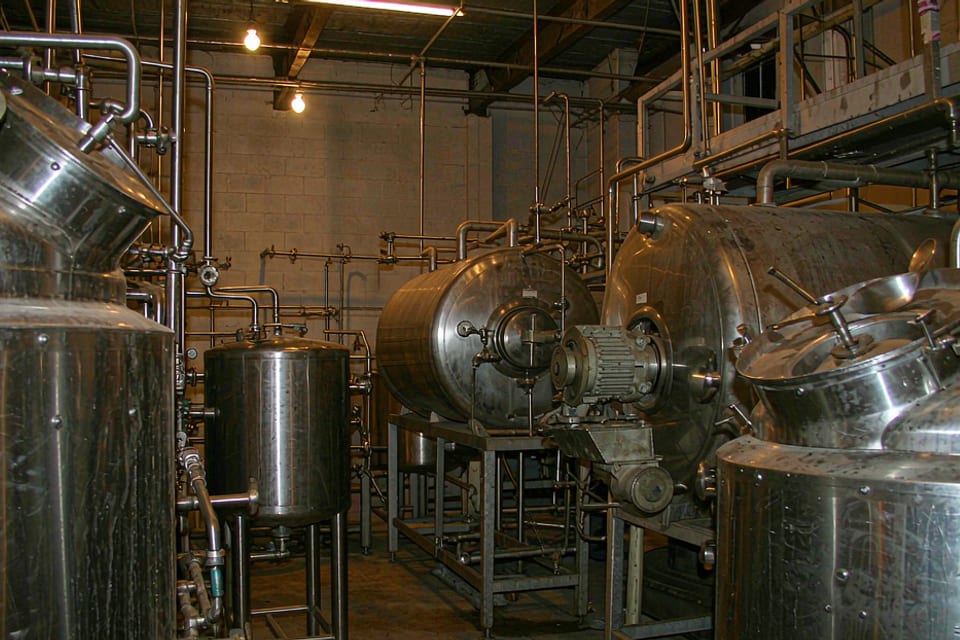
Ten Parts and Material Lists
| Part / Component | Recommended Grades | Specifications / Thickness | Surface | Main Failure Modes | Reference Standards |
|---|---|---|---|---|---|
| Beverage Filling Valve Body/Seat | 316L(1.4404/1.4435) | Valve Body Forgings | Electropolished Ra≤0.4μm | Hot Steam Sterilization 80–140℃ + Chlorine Wash → Pitting/Electrochemical Corrosion (SCC) | ASME BPE;EHEDG;3-A;FDA |
| Purified Water Storage Tank | 316L | 3–8mm | Electropolished Ra≤0.4μm | Chloride-induced pitting + weld cracking + biofilm in dead legs | ASME BPE;GB/T 3280 |
| Purified Water Circulation Pipes/Bends/Three-Ways | 316L | 1/2″–4″ | Electropolishing/Optical Brightening | Welding Heat-Affected Zone (HAZ) intergranular corrosion + chloride-induced pitting | ASME BPE;GB/T 21833 |
| Ozone/Ultraviolet Disinfection Contacts | 316L | 2–5mm | Electropolishing/Dullizing | Ozone + Ultraviolet + Humidity → Oxidation Corrosion | ASME BPE;GB/T 3280 |
| Maltster/Prefermentation Kettle | 304/316L | 3–8mm | 2B/Pickled | High Temperature 100℃+ Organic Acid+ Cleaner | GB/T 3280;NB/T 47014 |
| Cylinder Head/Tap for Beer Fermenter | 304/316L | 3–6mm | 2B,Ra≤0.8μm | CO₂+ Low pH+ Yeast Metabolites; Intergranular Corrosion Welding | GB/T 3280;ASME BPE |
| Keg | 304 | 1.5–3.0mm | 2B/Liquid WASH | Sodium Hydroxide/Water + CO₂ + Reconditioning | GB/T 3280;DIN 6644 |
| Vinification Tank/Gas Line | 304/316L | 2–6mm | 2B/Pickling | Tartaric Acid + SO₂ + Cl⁻ Corrosion | GB/T 3280 |
| Inside Components of Distillation Tower / Condenser | 304/316L | 2–8mm | 2B/Pickling | High-temperature steam + organic acid + alcohol | GB/T 3280 |
| Scrubbing and kneading contact piece for green tea | 304 | 1.5–4.0mm | 2B/Ra≤0.8μm | High temperature + catechins + organic acid | GB/T 3280;GB 4806.9 |
See insideConfiguration options. Different media, temperatures, and welding methods may require 304, 316L, or 2205 — explain usage conditions instead of specifying grades for convenience.
Material Selection Tips
- Most common grades in this industry are 316L (8) and 304 (6). Parentheses indicate the number of parts involved, useful for quoting and material ordering.
- Start with 316L in Acid Media, Go Further with 904L / Duplex (5/10 Hits).
- Common Corrosion Sources are Chloride and Salts (Pitting, Crevice Corrosion) (4/10 Hits).
- Thickness Range: 1.5–8 mm (Consider Bending Rebound and Deep Drawing Cracking for Thin Sheets; Consider Heat Input and Sensitization for Thick Sheets).
Common Issues
What stainless steel is used most in the beverage, confectionery, and specialty tea manufacturing industries?
Top 10 parts by total number: 316L (8) and 304 (6). Specific to a part still depends on the medium and temperature.
Which parts are most prone to problems?
By failure description, typical is "bottle filler body/seat": hot steam at 80–140°C + chlorine cleaner → pitting/electrochemical corrosion; recommended grade 316L (1.4404/1.4435), size forging for body. This condition should be clearly defined in the design phase regarding medium concentration, temperature, and cleaning method.
What thickness should I select?
Thickness range in the list is 1.5–8 mm. For thin plates, consider bending and surface finish; for thick plates, welding and structural strength. Values may vary by equipment manufacturer for the same part. Recheck with your drawing or operating conditions.
Related Materials and Adjacent Industries
Applications10