
C23 · Printing
Stainless Steel Plates for Printing and Media Replication Industry: Selection of 304/316L and List of 3 Parts
In the printing and media replication industry, we have organized three parts using stainless steel: commonly used 304 / 316L / 420, with thickness ranging from 0.5–20 mm.
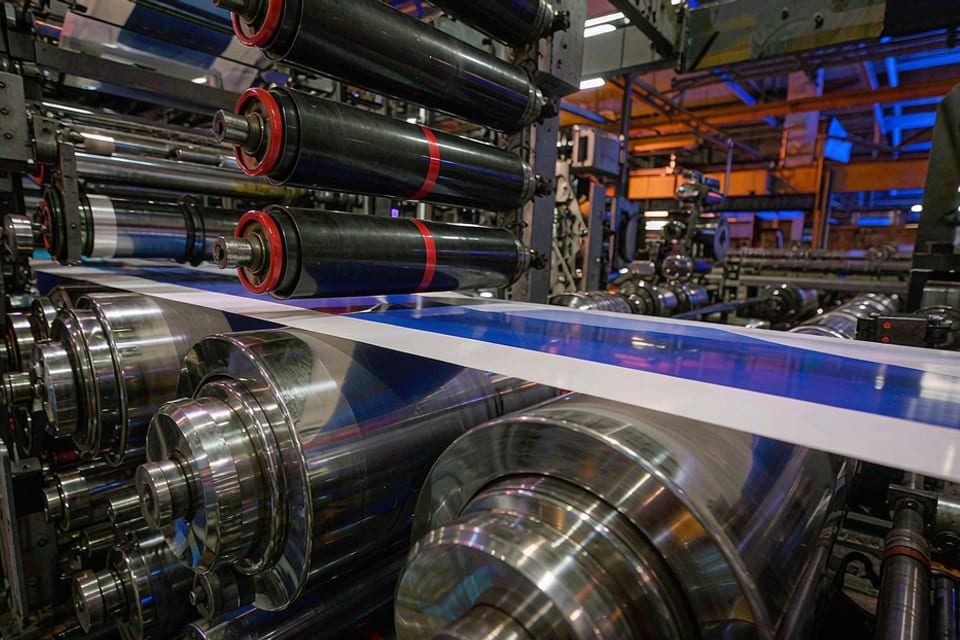
Three parts and material list
| Part / Component | Recommended designation | Specification / Thickness | Surface | Failure Modes | Standards |
|---|---|---|---|---|---|
| Grinding Roll/Feeding Roll (Hard Surface) | 304/316L | Surface 3-15mm | Mirror/Delicated/Glazed | Solvent Corrosion + Blade Wear + Roller Scratches | GB/T 3280; Printing Industry Standards |
| Wet Roll/Painting Roll | 304Chrome Coating | Roll Surface 5-20mm | Net Pattern/Chrome | Blade Wear Reduces Net Hole Openings + Solvent Corrosion | GB/T 3280 |
| Nozzle/Skimmer | 420/304 | 0.5–3mm | Hardening/Lapping | Ink Erosion + Skimmer Blade Wear | GB/T 1220;GB/T 3280 |
Inside TableConfigurationsMaterial Selection Tips
Common Grades Used in Industry: 304 (3), 316L (1), 420 (1)
- Consider Hardness for Wear Parts (Cutting Edges, Liners, Conveying Components)
- Thickness Range: 0.5–20 mm
- Thicker Sheets for Welded Structures (Heat Input and Embrittlement Concerns)
Thin Sheets for Forming (Bend Rebound and Deep Drawing Cracking)
Commonly Used Stainless Steels in Printing and Record Media Replication?
By total pages, the top 3 are: 304 (3), 316L (1), and 420 (1). For specific parts, consult media and temperature, e.g., stainless countertops require 316L when exposed to saltwater.
Which part is the easiest to have problems with?
Failure description, typically "ink squeegee/transfer roller (hard-faced)": solvent corrosion + blade wear + surface scratches; recommended grades 304/316L, face diameter 3-15mm. This condition suggests specifying media concentration, temperature, and cleaning method during the design phase.
What thickness should I select?
Thickness range in the list is 0.5–20 mm. For thin plates, consider forming and surface quality; for thick plates, welding and structural strength. Values may vary by equipment manufacturer for the same location, review your drawing or operating conditions.
Related materials and adjacent industries
Applications3