
C40 · Instruments
316L/304 Stainless Steel Plates for Instrument Manufacturing: Selection and 3 Part Lists
For Instrument Manufacturing, We Have Organized Three Stainless Steel Parts: Commonly Used 316L / 304 with Thicknesses from 0.05–2 mm.
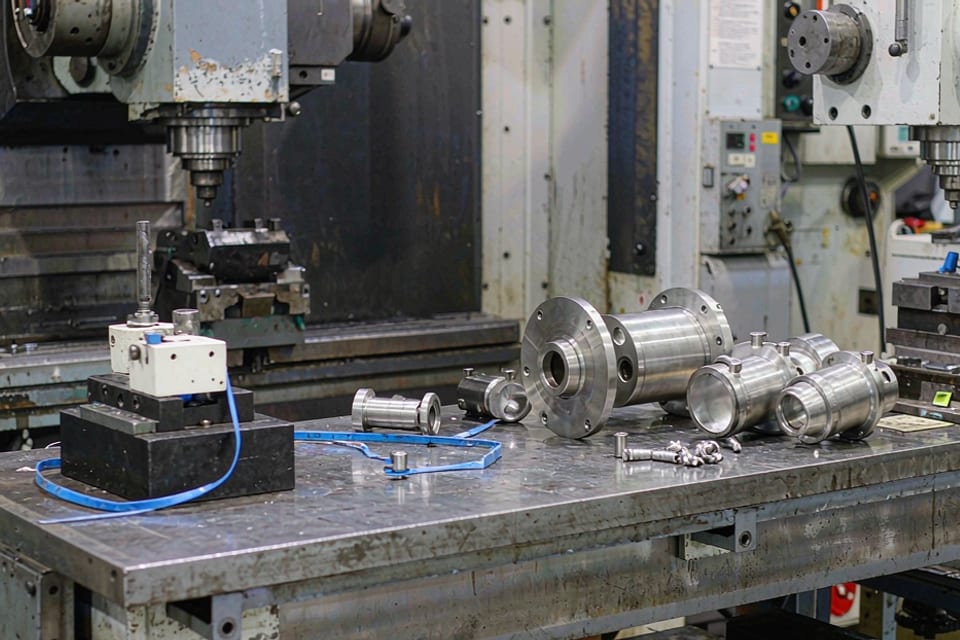
3 Sections and Material List
| Section / Part | Recommended Grade | Specifications / Thickness | Surface | Main Failure Modes | Reference Standards |
|---|---|---|---|---|---|
| Pressure/DP Sensor Diaphragm | 316L/Hastelloy C-276/Titanium/Tantalum/ | Diaphragm 0.05–0.2mm | Mirror/Dielectric | 316L corrodes in 20% hydrochloric acid for about 3 days; C-276 can last years; oil-filled structures clog in crystalline media | GB/T 15478;IEC 60770;NACE MR0175 |
| Analytical Instrument Piping/Valves/Fittings | 316L/316L EP | 1/16″–1/2″ | Electropolished Ra≤0.4μm | Sample Adsorption+Corrosion+Particle Blockage | ASTM A269;SEMI F20 |
| Instrument Enclosures/Stages | 304/316L | 0.5–2.0mm | 2B/Dielectric Polishing | Atmospheric Corrosion+Cleaners | GB/T 3280 |
Inside isStandard Configuration.Same parts can be 304, 316L, or 2205 depending on usage conditions—be clear about the conditions to avoid specifying grades.
Material Selection Tips
- Common Alloy Grades: 316L (3), 304 (1)
- Thickness Range: 0.05–2 mm
Common Issues
Which stainless steel is used most in instrument manufacturing?
Top 3 parts by frequency: 316L (3 items), 304 (1 item). Specific part requires consideration of media and temperature, e.g., stainless countertops for saltwater contact should switch from 304 to 316L.
What's the most problematic area?
Typical failure mode is "liquid contact membrane in pressure/differential sensors": 316L perforates after about 3 days in 20% hydrochloric acid; C-276 can last years; clogging occurs in crystalline media for oil-filled structures. Recommended grades: 316L/Hastelloy C-276/Titanium/Tantalum, membrane thickness 0.05–0.2 mm. This scenario requires specifying media concentration, temperature, and cleaning method during design phase.
What thickness should I select?
Thickness range in the list is 0.05–2 mm. For thin plates, consider bending and surface finish; for thick plates, welding and structural strength. Values may vary by equipment manufacturer for the same location. Recheck with your drawing or operating conditions.
Related Materials and Adjacent Industries
Applications3
Thickness0.05–2mm