
C39 · Electronics
Stainless Steel Plates for Computer, Communication and Electronic Equipment Manufacturing: 304/316L Selection and Four Part Lists
For Computer, Communication and Electronic Equipment Manufacturing, we have organized four parts using stainless steel: commonly used 304 / 316L / 201, with thickness ranging from 0.15–1.5 mm.
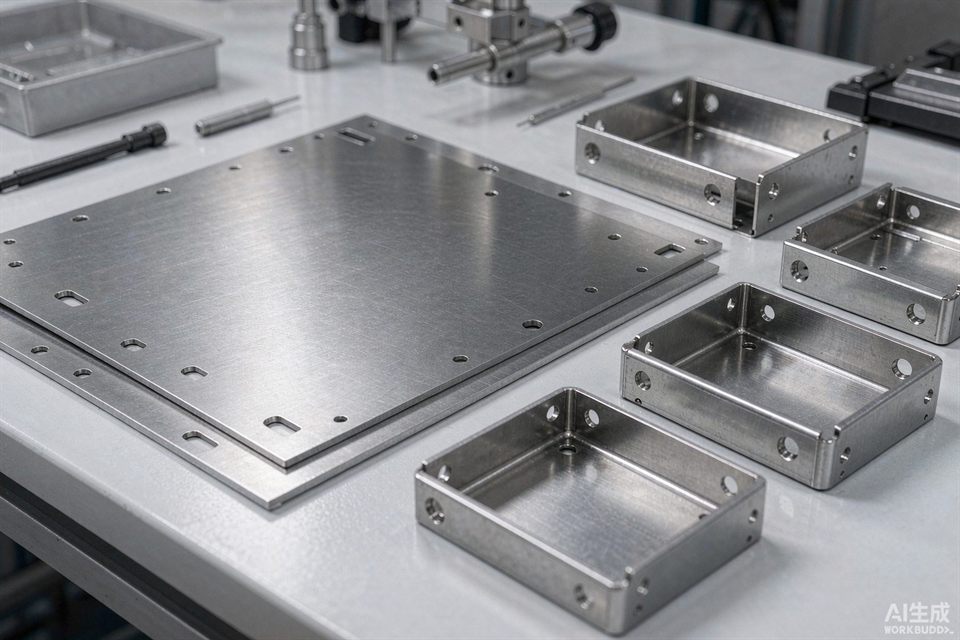
Four parts and material lists
| Part / Component | Recommended Grade | Specifications / Thickness | Surface | Main Failure Modes | Reference Standards |
|---|---|---|---|---|---|
| Connector Shielding Housings | SUS304R-1/2H (Bend)/SUS304R-1/4H (Dimple) | 0.15–0.5mm | 2B/Gilded | Repetitive Insertion and Extraction Fatigue + Shielding Performance Degradation + Sweat Corrosion | GB/T 3280; IPC Connector Standards |
| Electronic Equipment Enclosures / Cabinets | 304/201 | 0.5–1.5mm | Stainless Steel Brushed/Sprayed | Scratches/Dew+Perspiration+Cleaning Agents | GB/T 3280 |
| Flexible Screen/Foldable Screen Thin Stainless Strap (Hand-Split Steel) | Precision Rolled Stainless Foil304/316LBase, Catalog, Products, Filters, Sort, Search, Cart, Login/Register | ≤0.050mm, Thinnest 0.015mm, Width ≤1250mm | Polished/Lustrous | Folded Fatigue 200,000–500,000 Cycles + Fine Wrinkles + Scratches | GB/T 41608-2022 |
| Cooling Housings/Heat Exchangers | 304/316L | 0.2–1.0mm | 2B/Fire Welded Side | Thermal Cycling Fatigue + Cooling Fluid Corrosion | GB/T 3280 |
See Table forStandard Configurations. Different parts of the same component may switch from 304 to 316L or 2205 based on usage conditions— explaining these details saves time without specifying grades.
Material Points
- The most common grades in this industry are 304 (3), 316L (2), and 201 (1)— the numbers in parentheses indicate how many parts they apply to, serving as a starting point for quoting and material preparation.
- Minimum thickness 0.15–1.5 mm: Thin plates are mostly formed parts (considering bend rebound and deep drawing cracking), thick plates are mostly welded structures (considering heat input and sensitization).
Common Questions
Which stainless steel is used most in the computer, communication, and electronic equipment manufacturing industry?
Total pages statistics show that 304 appears most frequently (3 times), followed by 316L (2 times) and 201 (1 time). Specific to a part still depends on the medium and temperature, for example, stainless steel countertops require switching from 304 to 316L when exposed to saltwater.
What parts are the easiest to fail?
By failure description, typical is "Flexible OLED/rollable stainless steel tape (hand-scrapped)": repeated folding fatigue 200k–500k times + minor wrinkles + scratches; recommended grade Stainless Precision Foil (304/316L base), specification ≤0.050mm; thinnest at 0.015mm; width ≤1250mm. For this condition, it's recommended to clearly specify the medium concentration, temperature, and cleaning method in the design phase.
What thickness should I choose?
The thickness range on the list is 0.15–1.5 mm. Thin plates consider forming and surface quality, thick plates consider welding and structural strength; different manufacturers may have different values for the same part based on your drawings or operating conditions. Recheck as needed.
Related Materials and Adjacent Industries
Applications4