
B21 · Rail Transit
Rail Transportation (C37 Independent) Stainless Steel Sheets: 304/316L Selection and 6 Part Lists
In Rail Transportation (C37 Independent), we organized 6 parts using stainless steel: commonly used 304 / 316L / 201, with thickness ranging from 0.8–32 mm.
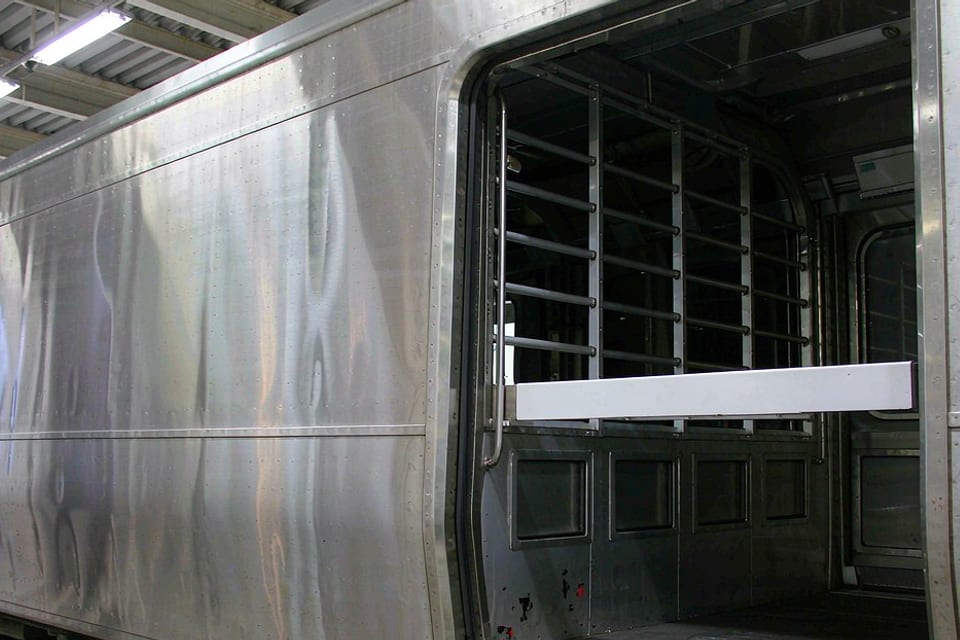
List of 6 Components and Materials
| Component / Part | Recommended Grade | Specification / Thickness | Surface | Main Failure Modes | Reference Standards |
|---|---|---|---|---|---|
| Door Frame/Column/Lid Plate | 304/316L | 1.5–4.0mm | HL/No.4/2B | Frequent Opening/Closing Fatigue + Cleaning Agent + Human Sweat | GB/T 3280;CJ/T 236 |
| Platform Handrails/Side Rails/Seats | 304/316L | Pipe 1.0-2.0mm; Panel 1.5-3.0mm | HL/No.4 | Human Contact + Wear + Corrosion | GB/T 3280;GB 50157 |
| Advertising Frames/Bins/Guiding Signs | 304/201 | 0.8–2.0mm | 2B/Rubbed/Ironed | Cleaning Agent + Scratches + Corrosion | GB/T 3280 |
| Brake Disc/Back Plate | 304/316L/420/440 | Disc Thickness 10-30mm | Surface Finish/Matte | Heat Spotting + Thermal Cracks + Wear | GB/T 3280;TB/T 3541 |
| Brake/Air Pipes/Joints | 304/316L | Pipe Diameter 6-32mm | Shine/Dull | Pulsed Cycling Fatigue + Condensation Corrosion | GB/T 3280;TB/T 3056 |
| Carbon Brush Head/Slide Rail/Screws | 304/316L/A4-70 | By Bow Type | 2B/Dull | Arc Erosion + Friction Wear + Outdoor Corrosion | GB/T 3280;TB/T 3271 |
Inside AreStandard ConfigurationsMaterial selection
Consider usage conditions instead of specifying grades
- The most common grades in this industry are 304 (6), 316L (5), and 201 (1) —— numbers in parentheses indicate the number of parts involved, useful for quoting and material ordering.
- Consider hardness for worn parts (edges, liners, conveyors) beyond just corrosion resistance (2/6 items hit).
- Minimum thickness 0.8–32 mm: Thin plates are mostly formed parts (considering bend back and deep drawing cracking), thick plates are mostly welded structures (considering heat input and sensitization).
Common questions
What stainless steel is used most in rail transportation (separate from C37)?
Out of the total of 6 components, 304 appears most frequently (6 times), followed by 316L (5 times) and 201 (1 time). Specific to a part depends on the medium and temperature, for example, stainless steel countertops that come into contact with salt water should switch from 304 to 316L.
What parts are most prone to failure?
By failure description, typical is "door frame/legs/covers" of sliding doors: fatigue from frequent opening and closing + cleaning agents + human sweat; recommended grades 304/316L, size 1.5–4.0mm. For this condition, specify media concentration, temperature, and cleaning method in the design phase.
What thickness should I choose?
Thickness ranges are 0.8–32 mm. Thin plates consider forming and surface quality, thick plates consider welding and structural strength; different manufacturers may have varying values for the same part, review your drawings or conditions to confirm.
Related materials and adjacent industries
Applications6