
B23 · New Energy Vehicle
Battery Electric Vehicles (C36 Independent) Stainless Steel Plates: 316L/304 Selection and 7 Part Lists
For Battery Electric Vehicles (C36 Independent), we have organized 7 parts using stainless steel: commonly used 316L / 304 / 441, with thickness ranging from 0.075 to 700 mm.
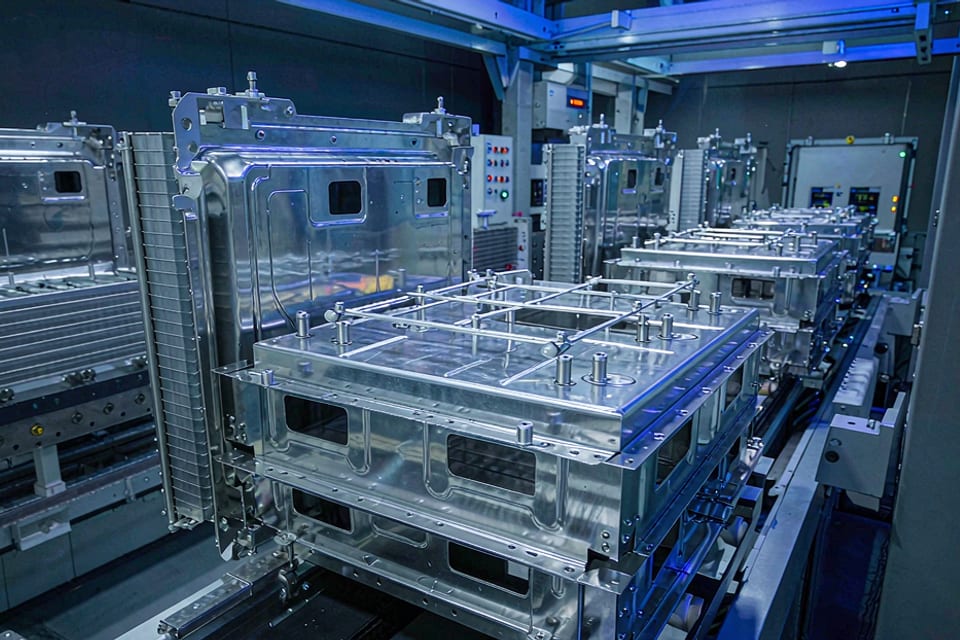
7 Part Lists and Material Recommendations
| Part / Component | Recommended Grade | Specifications / Thickness | Surface | Main Failure Modes | Reference Standards |
|---|---|---|---|---|---|
| Steel Tray/Frame (Steel/Mixed Solution) | 441/304 | Tray Plate 0.8–2.0mm | Corrosion Coating | Road Salt Fog + Coolant Leak + Vibration Fatigue; Aluminum Steel Alternatives Require Corrosion Resistance | T/ZPP 327—2026;GB/T 3280;GB/T 31467 |
| Battery Steel Shell, Battery Cover Plate, Battery Connectors, Battery Poles | 304/316LPreferred in LiFSI System | Wall thickness 0.3–0.8mm;Cover plate 0.5–1.5mm | 2B/Nickel plating | Electrolyte corrosion (LiFSI superior to LiPF6 in 316L compared to 304) + Internal short circuit + Vibration fatigue | GB/T 3280;GB/T 31485;OEM material specifications |
| Module flange/Screws/Cooling plate connectors | 304/316L/QD2001 | Flange 1–3mm;M6–M10 | Passivation | Coolant glycol + Cl⁻ + Vibration → Pitting/Crevice corrosion | GB/T 3280;GB/T 3098.6;GB/T 31467 |
| Heat Management Tubing/Fittings/Exchangers | 304/316L | Wall Thickness 0.5–2mm | Bright/Acid Pickled | Corrosion+Pressure/Temperature Cycling Fatigue | GB/T 3280;GB/T 31467 |
| Fuel Cell Bipolar Plates | 316L/904L Thin Strip+Coating | 0.075–0.15mm | Coating/Bright | Acidic pH2–4+Potential Cycling→Pitting+Contact Resistance Increase | GB/T 20042.1;ASTM A240 |
| Inner liner 2-8mm | 316L | PN350–700bar | 2B/Passivated | High-pressure hydrogen → Hydrogen embrittlement + cyclic fatigue | GB/T 33291;ISO 11114-4;GB/T 35544 |
| Hydrogen filler/Reducer/Hydraulic fitting | 316L | Interfaces | Passivation/Grooved Surface | High-pressure hydrogen+ Rapid fill/pump cycle+Leakage | ISO 19880-1;GB/T 31138 |
Select materialsShow usage conditionsVariations based on media, temperature, and welding methods
Consider application specifics
- The most common grades in this industry are 316L (6), 304 (4), and 441 (1) —— numbers in parentheses indicate the number of affected areas, useful for quoting and material ordering.
- Common sources of corrosion are chloride ions and salt content (2/7 hits for pitting and crevice corrosion).
- Thickness range: 0.075–700 mm (thin plates for forming parts, consider bending rebound and deep drawing cracks; thick plates for welded structures, consider heat input and sensitization).
Common issues
What stainless steel is used most in electric vehicles (separate from C36)?
By total pages, the top 7 parts are: 316L (6), 304 (4), and 441 (1). For specific parts, consult media and temperature; for example, stainless countertops need to switch from 304 to 316L when exposed to saltwater.
Which part is the easiest to have problems with?
Failure description, typically "Battery pack tray/frame (steel/mixed solution)": Salt spray + coolant leak + vibration fatigue; steel alternative for aluminum mainstream requires corrosion resistance matching; recommended grades 441/304, plate size 0.8–2.0mm. This type of condition recommends specifying media concentration, temperature, and cleaning method during the design phase.
What thickness should I select?
Thickness range in the list is 0.075–700 mm. For thin plates, consider forming and surface quality; for thick plates, welding and structural strength. Values may vary by equipment manufacturer for the same location. Recheck with your drawing or operating conditions.
Related Materials and Adjacent Industries
Applications7