
B10 · Hydrogen Energy
Hydrogen Stainless Steel Plates: 316L/904L Selection and 6 Part Lists
In Hydrogen, we organized 6 parts using stainless steel: commonly used 316L / 904L / 321, with thickness ranging from 0.075–700 mm.
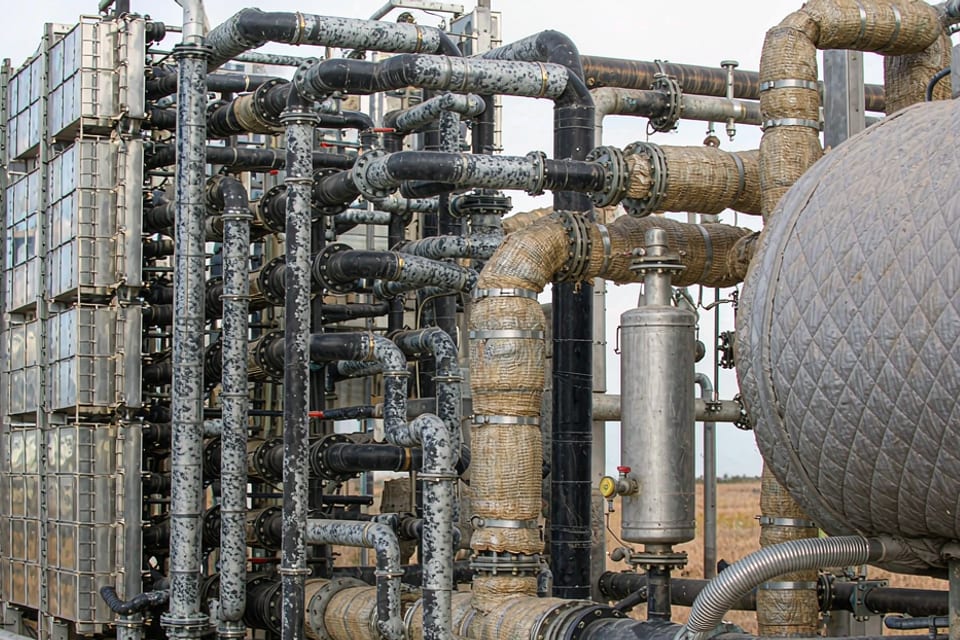
6 Parts and Selection List
| Part / Component | Recommended Grade | Size / Thickness | Surface | Failure Modes | Reference Standards |
|---|---|---|---|---|---|
| PEM Electrode Bipolar Plates | 316L/904L/321Uncoated + Ti/TiN, CrN/TiN, Nb Coating | 01-0.5mm Thin Plate; 0.5-2mm Flow Field Plate | Coating/Polishing | High corrosion rate, rich oxygen + strong acid pH~2 → local pitting, TiN nearly completely fails in 0.5M H₂SO₄ for 3h → TiN failure | ISO 22734, ASTM A240, Coating Supplier Specifications |
| Fuel Cell Bipolar Plates | 316L904L Thin Strip + Conductive Corrosion Resistant Coating | 0.075–0.15mm | Coating/Polishing | Acid pH 2–4 + Potential Cycling → Pitting + Increased Contact Resistance | GB/T 20042.1;ASTM A240 |
| Electrolyzer Endplates/Gaskets/Piping | 316L/904L | 2–20mm | 2B/Acid Washed/Coated | Alkaline/Hydrogen Storage Acid + Cl⁻ + High Temperature → Erosion/SCC | GB/T 3280;ISO 22734 |
| High Pressure Hydrogen Tank Liners/Internal Tank Linings | 316L | Inner Liner 2-10mm | 2B/ Acid Wash/Degreasing | High Pressure Hydrogen → Hydrogen Embrittlement (Wrinkle Expansion Acceleration) + Cyclic Fatigue | GB/T 33291;ISO 11114-4;ASME VIII-3 |
| Station Hydrogen Piping/Vessels | 316L | Wall Thickness 2-10mm; PN350-700bar | Acid Wash/Degreasing | High Pressure Hydrogen + Cycling Pressure → Fatigue + Hydrogen Embrittlement; Leak at Connection | ISO 19880-1;ASME B31.12 |
| Hydrogen Metallurgy/Chemical Industry Piping/Heat Exchangers | 316L/321 | 2–20mm | 2B/Acid Wash | High Temperature High Pressure Hydrogen + H₂S/Cl⁻ → Hydrogen Embrittlement + Corrosion | ASME B31.12;GB/T 3280 |
Table Inside isStandard Configuration.Same part may switch from 304 to 316L or 2205 based on usage conditions, which saves time specifying grades.
Key Points in Selection
- Most common grades used are 316L (6), 904L (3), and 321 (2). Parentheses indicate the number of affected areas, serving as a starting point for quoting and material procurement.
- In Acidic Media, 316L is just the baseline; higher concentrations or temperatures require 904L / Duplex (3/6 hits).
- Corrosion from chloride and salt is the most common (click for details).
- Thickness 0.075–700 mm: Thin plates are mostly formed parts (consider bending rebound and deep drawing cracking), thick plates are mostly welded structures (consider heat input and sensitization).
Common Issues
Which stainless steel is used most for hydrogen storage?
Out of the total 6 components, 316L appears most frequently (6 occurrences), followed by 904L (3 occurrences) and 321 (2 occurrences). Specific to a part still depends on the medium and temperature; for example, stainless countertops that come into contact with salt water should switch from 304 to 316L.
What parts are most prone to issues?
Based on failure descriptions, typical is "PEM electrolyte bipolar plates": high potential + rich oxygen + strong acid pH ~2 → bare 316L/904L corrosion rates are higher; pinholes or peeling of coatings → localized pitting; TiN in 0.5 M H₂SO₄ for 3 hours nearly completely fails; recommended grades: 316L/904L/321 bare plates + Ti/TiN, CrN/TiN, Nb coatings, specifications: thin plate 0.1–0.5 mm; flow field plate 0.5–2 mm. For these conditions, it is recommended to specify medium concentration, temperature, and cleaning methods in the design phase.
What thickness should I select?
Thickness range in the list is 0.075–700 mm. For thin plates, consider bending and surface finish; for thick plates, welding and structural strength. Values may vary by manufacturer for the same location, review your drawing or operating conditions.
Related Materials and Adjacent Industries
Applications6
Thickness0.075–700mm
Grades075/700