
B20 · Elevator & Escalator
Stainless Steel Sheets for Elevators and Escalators: 304/439 Selection and 4 Part Lists
In our elevators and escalators, we have organized four parts using stainless steel: commonly used 304 / 439 with thickness ranging from 1–2 mm.
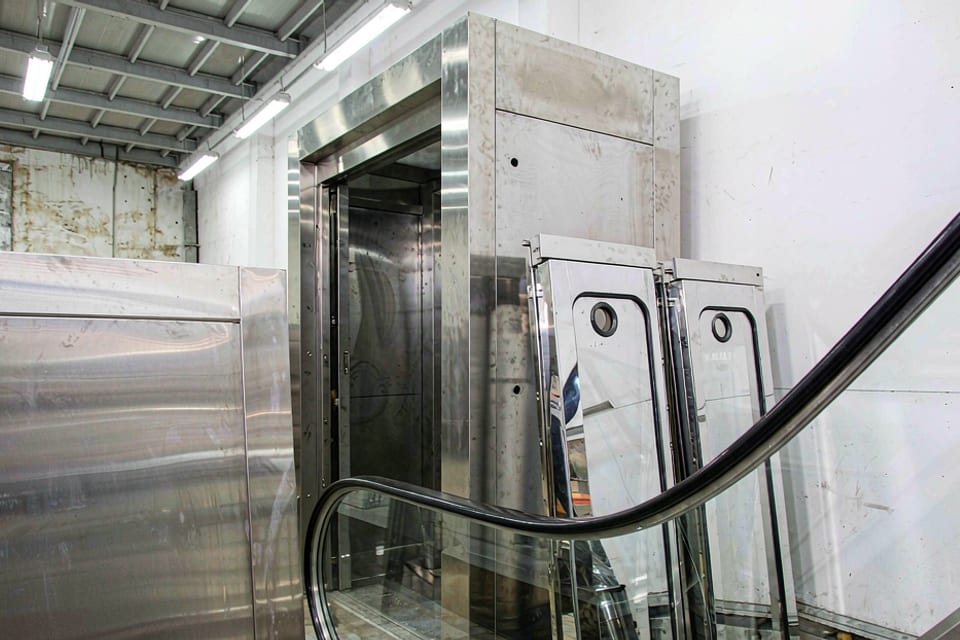
Four parts, Material list
| Part / Component | Recommended grade | Size / Thickness | Surface | Main Failure Modes | Reference Standards |
|---|---|---|---|---|---|
| Carriage Panel/Door/Entrance Door | 304 | ≥1.2mm | Scratches/Gloss Non-Fingerprint/Mirror Finish | Frequent Contact/Cleaning/Skid Marks/Fingerprints | GB/T 3280;GB/T 7588.1 |
| Small Jamb/Big Jamb | 304 | ≥1.2mm | Scratches | Impact/Cleaning/Airborne Corrosion | GB/T 3280;GB/T 7588.1 |
| Panel/Handle | 304 | 1.0–2.0mm | Rustic/Mirror/Glitch-resistant | Frequent touch + sweat + disinfectant | GB/T 3280;GB/T 7588.1 |
| TreadwayDoor panel, Lid covers | 304/439/443 | 1.0–2.0mm | Rustic/Satin finish | High traffic/public + wear + corrosion | GB/T 3280;GB/T 7588.1 |
Inside isStandard configurationMaterial selection
Consider usage conditions instead of grades
- The most common grades in this industry are 304 (4), 439 (1) —— numbers in parentheses indicate the number of parts involved, useful for quoting and material ordering.
- Thickness range 1–2 mm: Thin plates are often formed pieces (considering bend back and deep drawing cracking), thick plates are typically welded structures (considering heat input and sensitization).
What Are Common Questions?
Which Stainless Steel Is Used Most on Elevators and Escalators?
Total Pages: 4 Parts, the Most Appearing is 304 (4 Times), 439 (1 Time). Specific to a Part Still Depends on the Medium and Temperature, e.g., Stainless Countertops, Contacting Salt Water Requires Switching from 304 to 316L.
What Type of Parts Are the Most Troublesome?
Failure description, e.g., "carriage wall panels/car doors/lobby doors": frequent contact + cleaner + scratches + fingerprints; recommended grade 304, ≥1.2mm thickness. For this type of condition, it is recommended to specify the medium concentration, temperature, and cleaning method in the design phase.
What thickness should I select?
Thickness range in the list is 1–2 mm. For thin plates, consider bending and surface finish; for thick plates, welding and structural strength. Values may vary by manufacturer for the same location, review your drawing or operating conditions.
Related Materials and Adjacent Industries
Case studies for similar conditions
Architectural and elevator finishes
Surface treated plates · 0.3–3.0 mm
Cold-rolled 304 / 316L plates and surface treated plates, satin HL, No.4, and 8K mirror finish, thickness 0.3–3.0 mm, can be laminated for protection.
Applications4
Thickness1–2mm
Grades304